A Front Path Rebuilt from the Ground Up
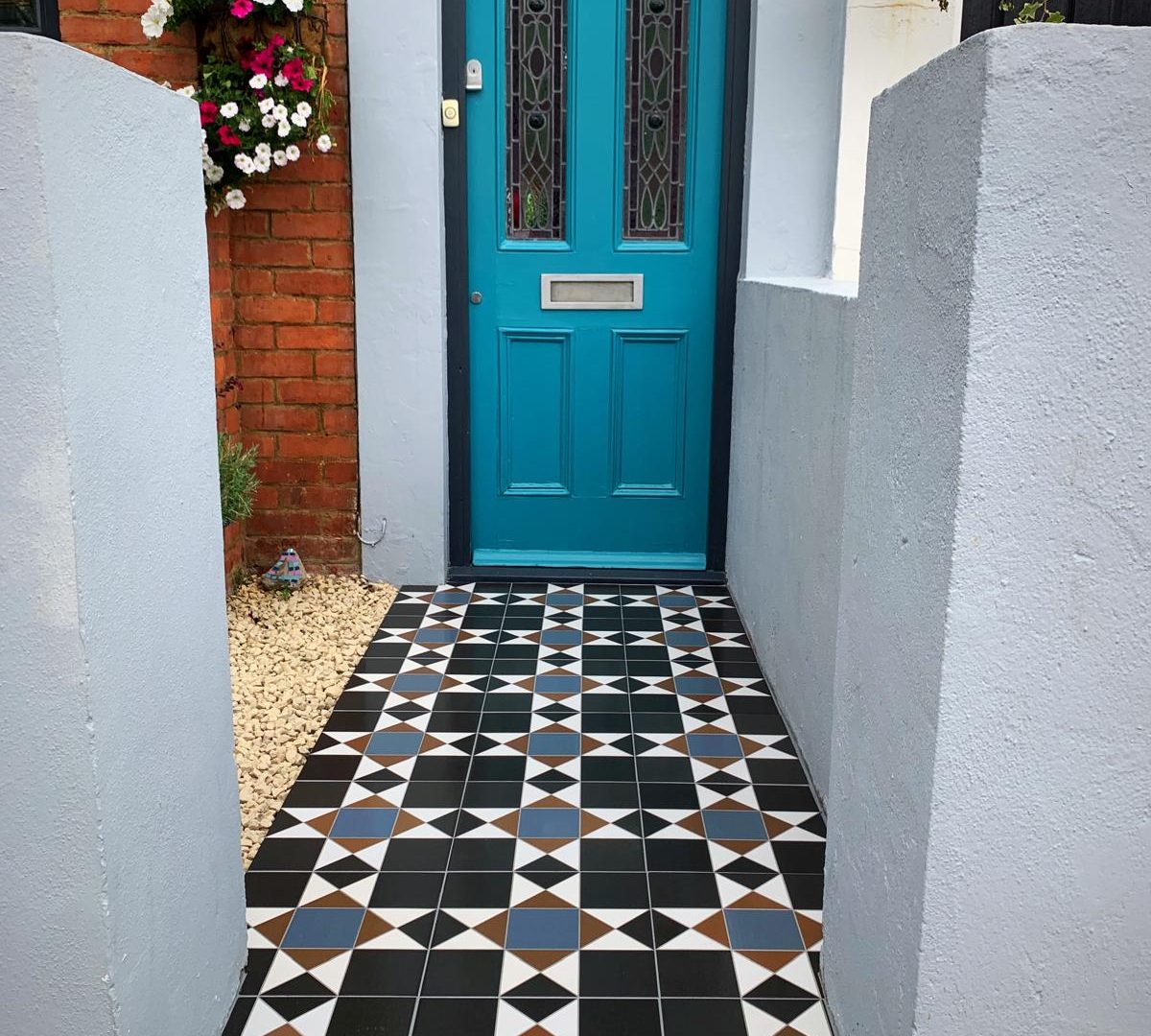
Printed porcelain front path with reinforced concrete slab, damp proof membrane and mitred corners for a Victorian property in Greater London
A Complete Structural Failure due to the poor craftsmanship.
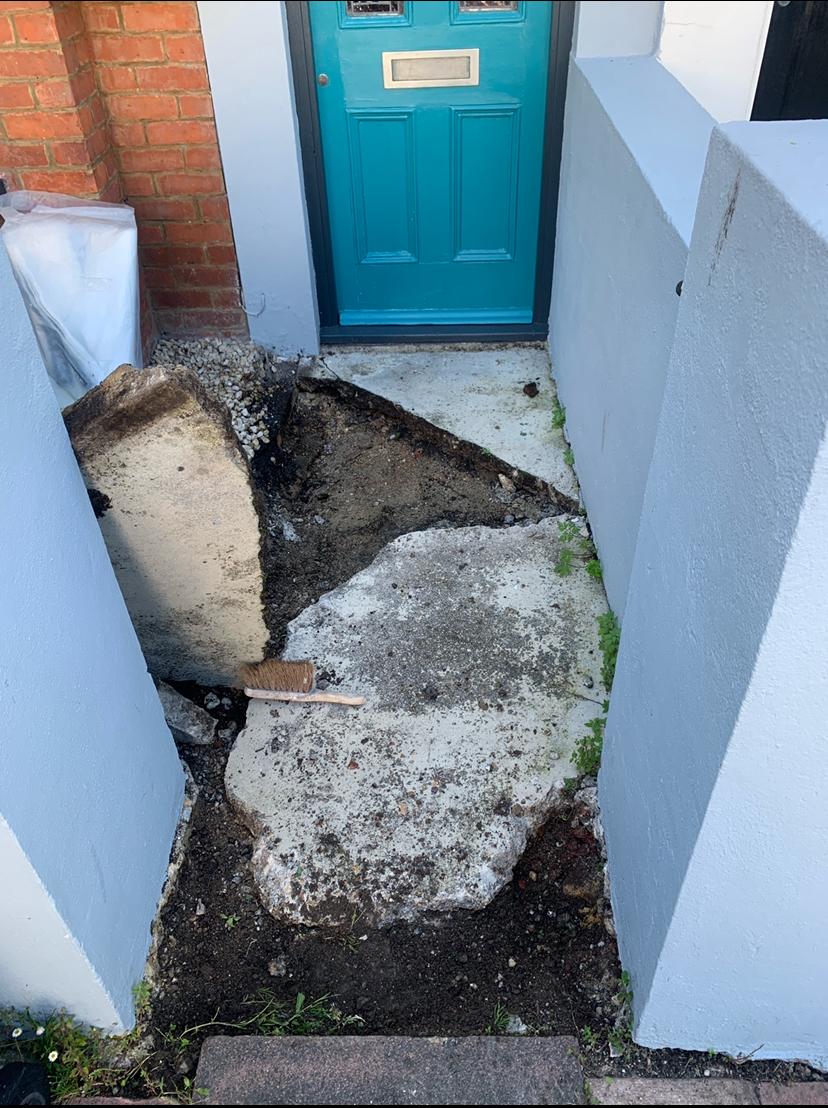
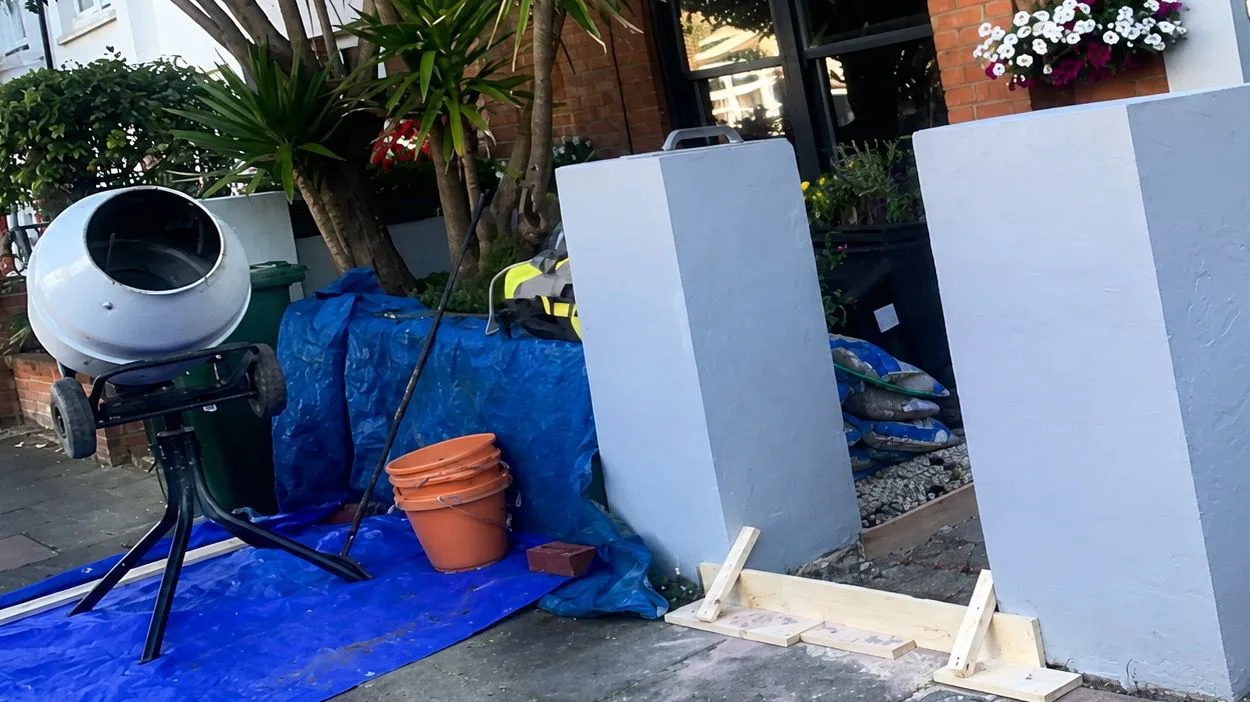
The before image shows the job once the old concrete came out. The slab had not just cracked. It had failed completely, breaking apart in large sections with the soil fully exposed beneath. There was no foundation left worth saving. A front path used every day in all weathers needs a base built specifically to take that use, not one patched up and hoped for. The decision was straightforward. Break it all out, start from the ground, and build it right.
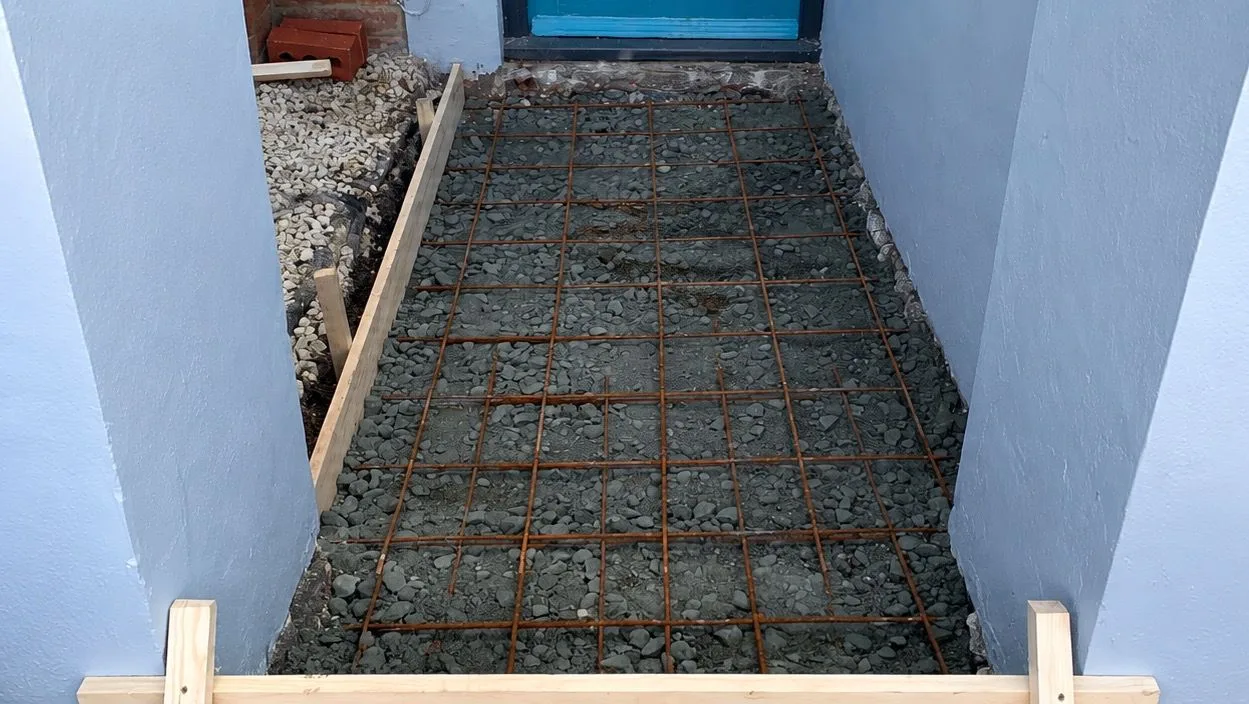
The extent of the failure also meant the foundation needed more than a standard slab. A damp proof membrane was laid directly over the soil to stop moisture rising through the new base. Concrete reinforcing mesh was positioned throughout to give the slab structural integrity it previously lacked. Only then was the full new slab cast on top. That level of groundwork does not appear in the finished photographs. It is why the finished path will still be there in twenty years.
A Foundation Built to Last, a Finish Built to Be Noticed
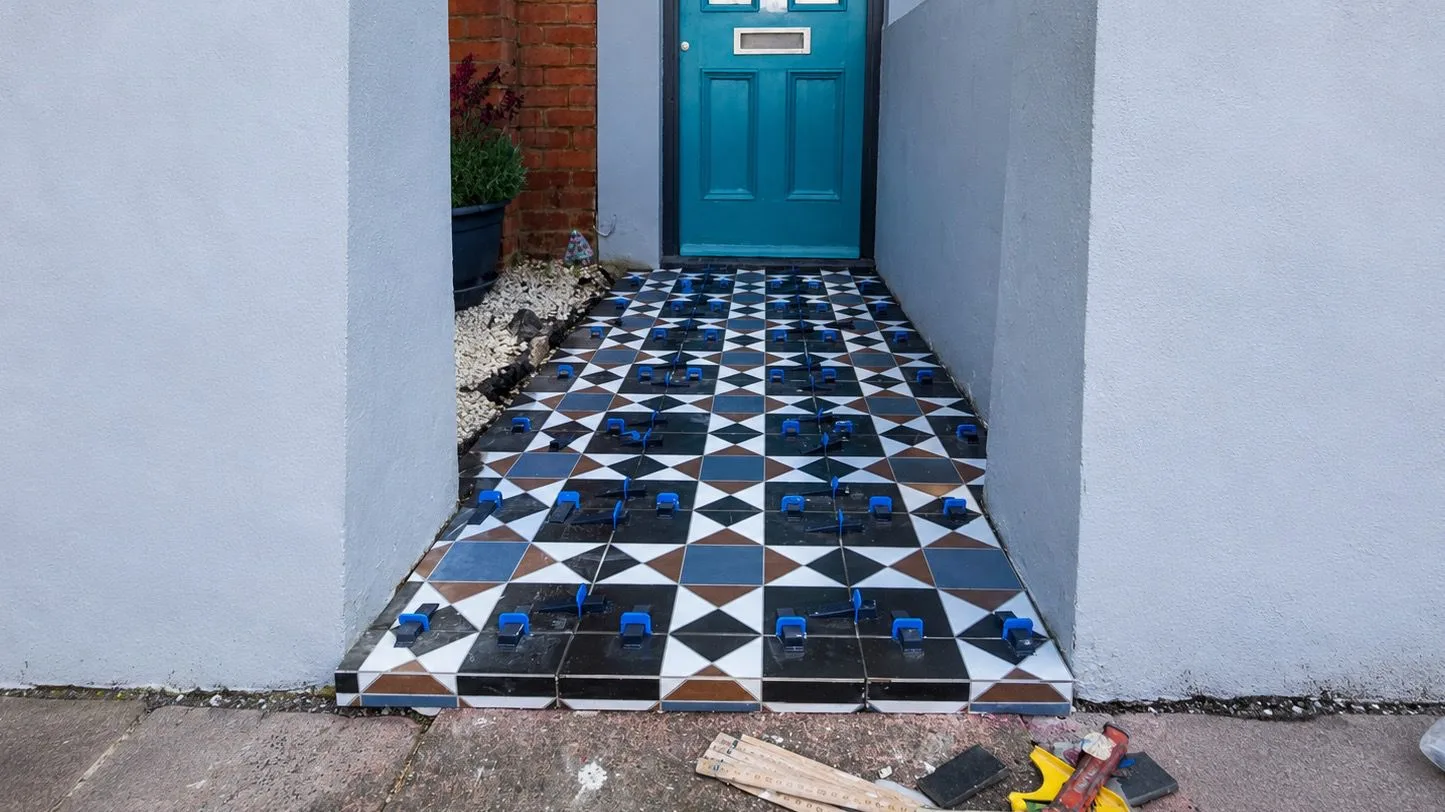
The tiles are printed porcelain at 330 x 330mm, which means the Victorian-style geometric pattern in black, white, brown and blue is printed across the face of each tile rather than being formed by laying individual pieces of different colours. What that means in practice is that the pattern only works when the tiles line up precisely with each other. A tile that is even slightly out of position breaks the repeat and the geometry reads as wrong across the whole path. Getting the pattern to run cleanly from the gate to the front door, with the repeat consistent and the lines true across every tile, requires the setting out to be resolved in full before a single tile is placed. There is no correcting it as you go.
The external corners by the gate were mitred rather than using the standard tile trims. It takes more time and more precision but the result is a sharp, clean edge that gives the path a considered finish suited to the character of the property. The front path now looks as though it belongs to the house. The foundation beneath it means it will stay that way.
The old slab had given up completely. The only option was to start again from the soil up and do it properly.
From site condition to finished surface
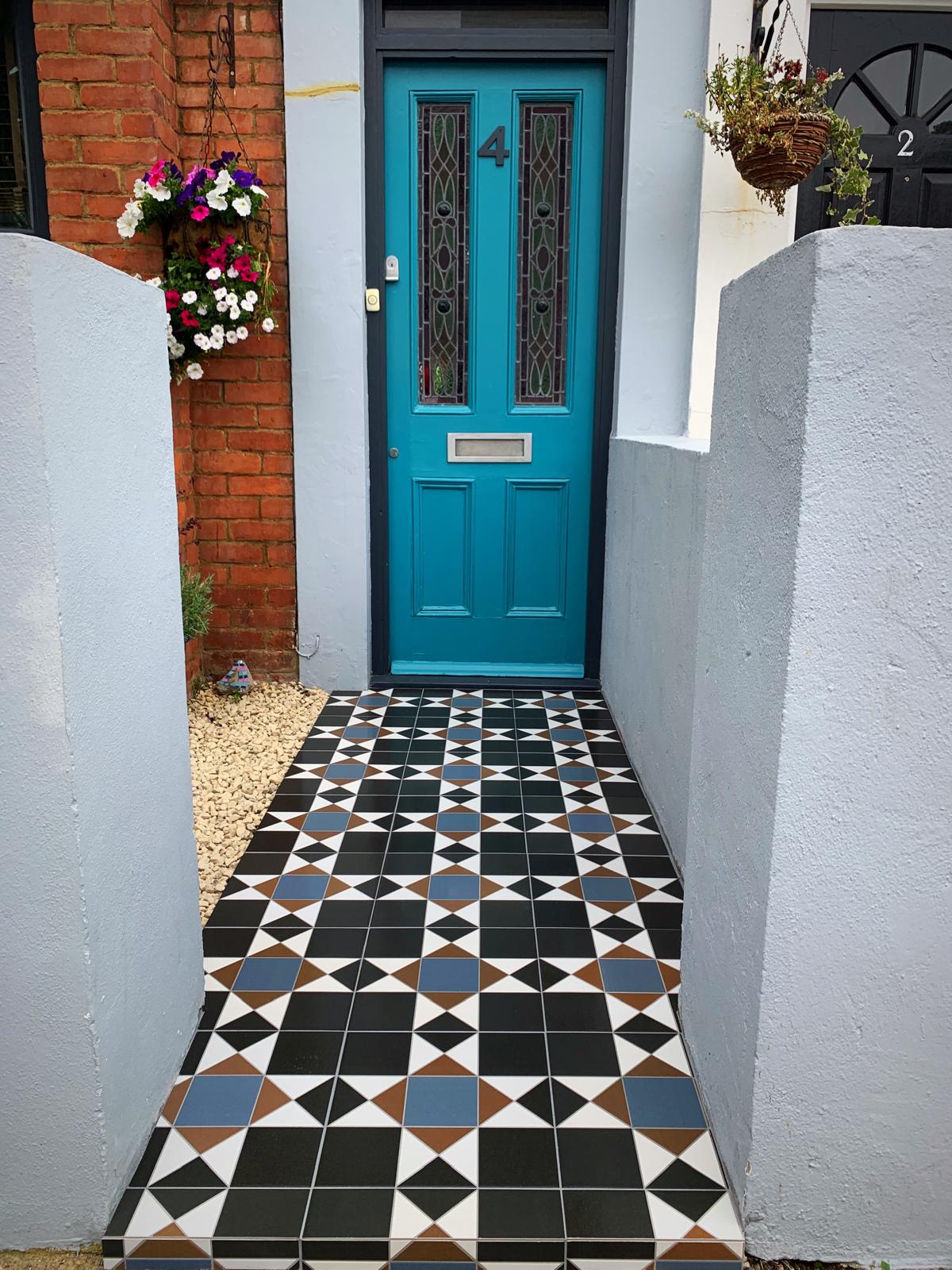
See how the installation changed the space while protecting the structure beneath.
Project gallery
Materials selected for this project
What was included
-
Full base replacement
Existing failed concrete removed and replaced with a new stable base.
-
Movement protection
Anti-fracture or reinforced protection installed beneath the tiled surface.
-
Patterned tile installation
Geometric tile layout set out carefully from entrance to front door.
-
Threshold detailing
Entrance edges and thresholds finished with considered architectural detail.
Project timeline
-
Week 1
Survey & Specification
On-site survey, material selection, and a fixed written quote.
-
Week 2
Design Sign off
Drawings and tile direction agreed with the client.
-
Week 3
Strip and Prep
Old surface removed and substrate prepared
-
Week 4
Tiling & Grouting & Sealing
Tiles laid to level, grout tone matched, deep clean and sealing.
-
Week 6
Snagging & Handover
Final snagging walk-through, and aftercare handover.
A traditional entrance rebuilt on a modern foundation.
Ready to discuss a similar project?
The completed path has the presence of a period geometric entrance, with the structural base, damp proof membrane and reinforced slab needed for long-term performance.
Shop The Look
Explore the installation standard and material thinking behind this project.
Related Insights
Tile Drenching: The Biggest Bathroom Trend of 2026 and How to Do It Properly
Everything you need to know about tile drenching in 2026: which tiles work best, how to plan the…
The End of the Cluttered Bathroom: Why 2026 Is the Year of Concealed Everything
Discover why 2026 is the year of concealed everything in UK bathroom design. Tile drenching, spa bathrooms, and…