
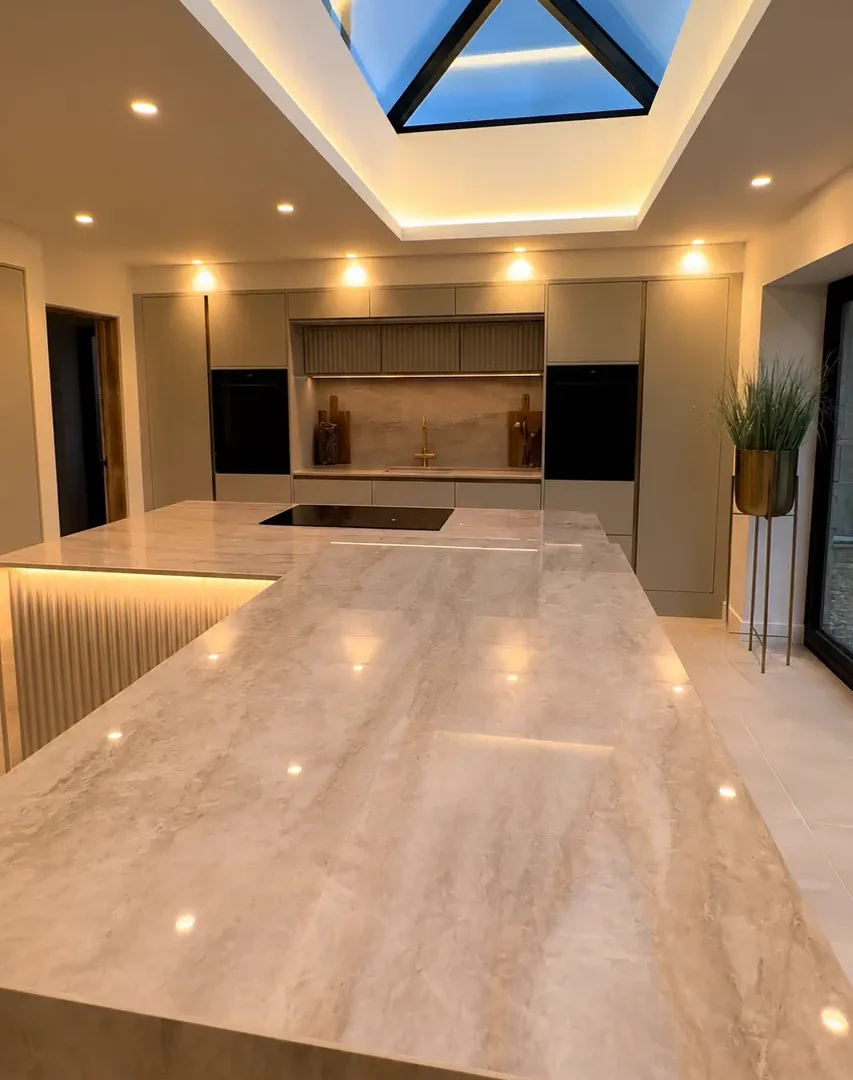
Hertfordshire: Kitchen, Entrance Hall and Front Porch Floor
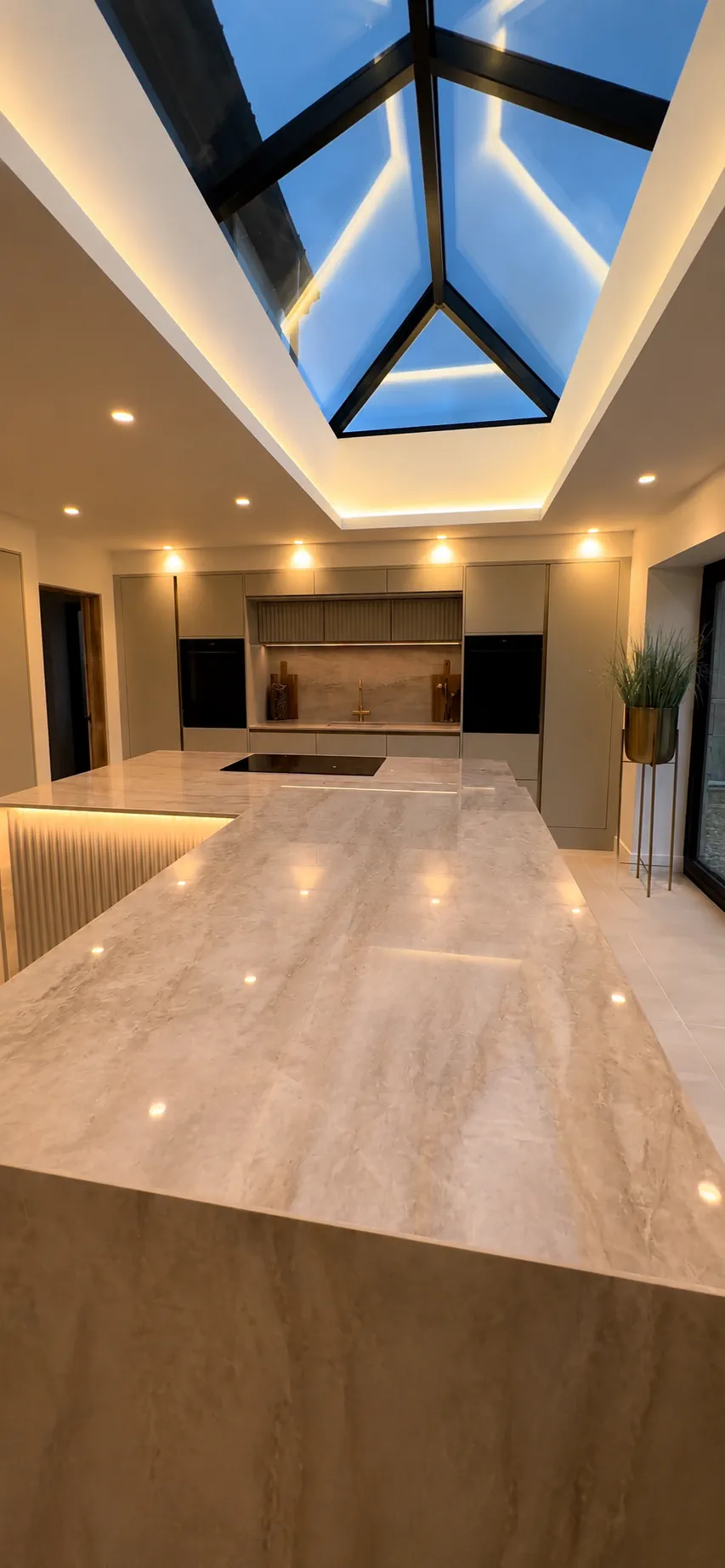
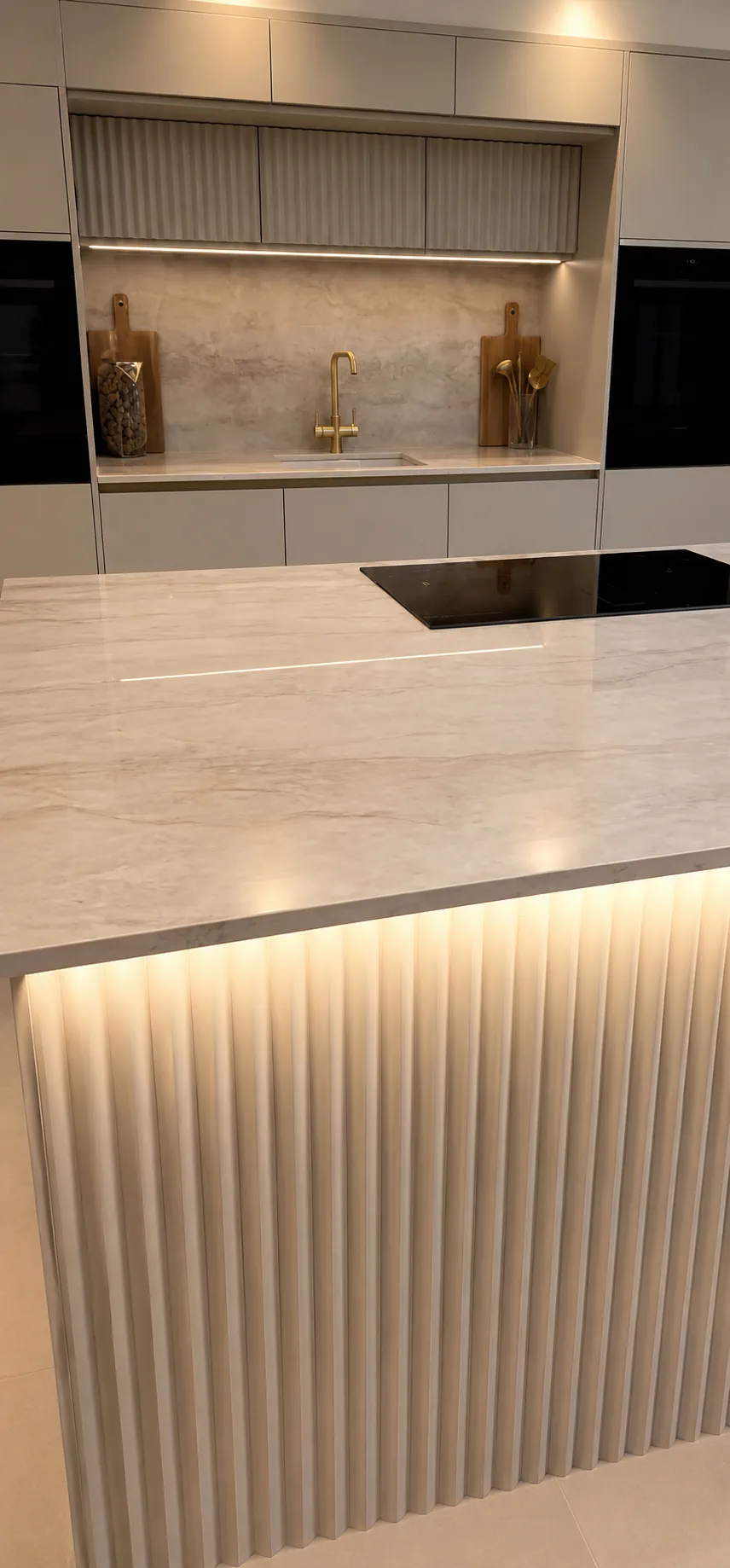
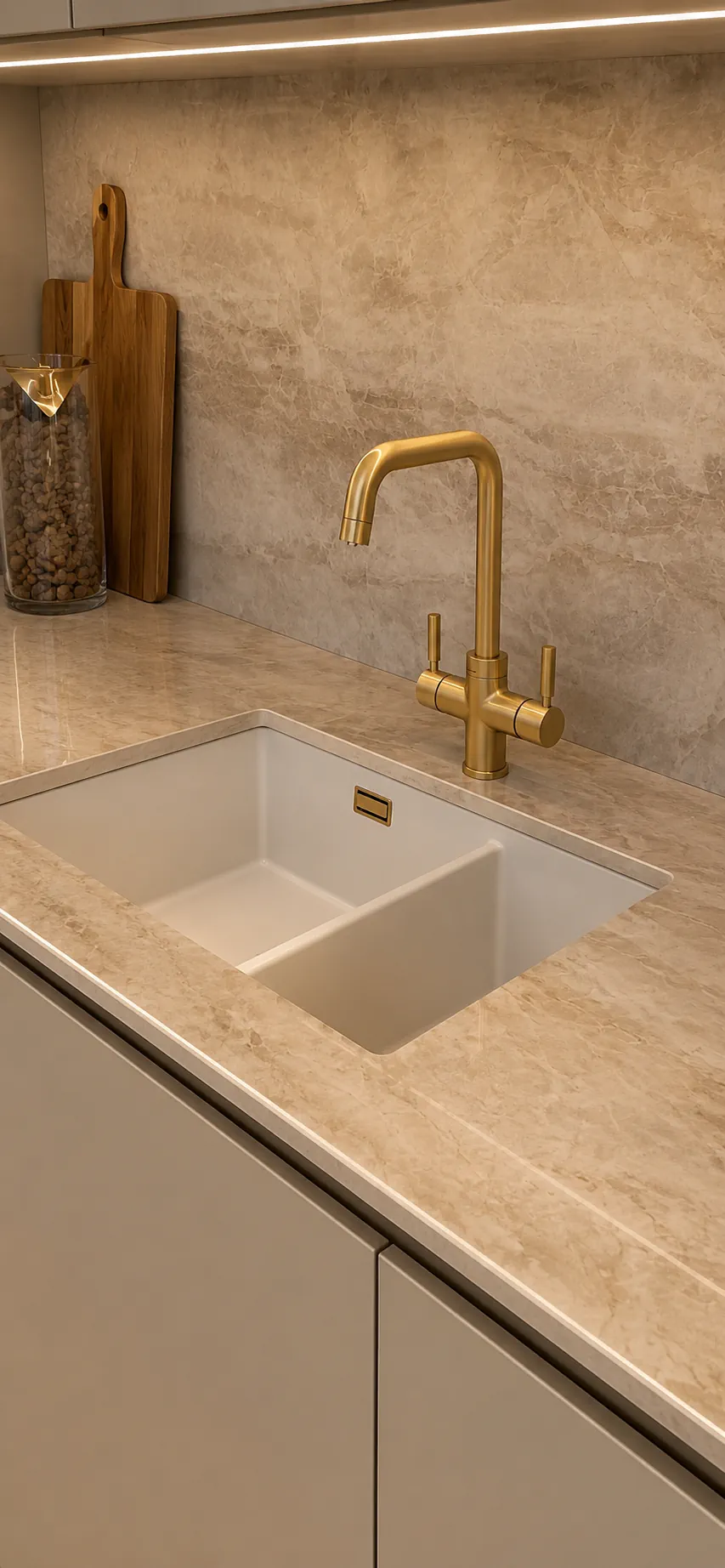
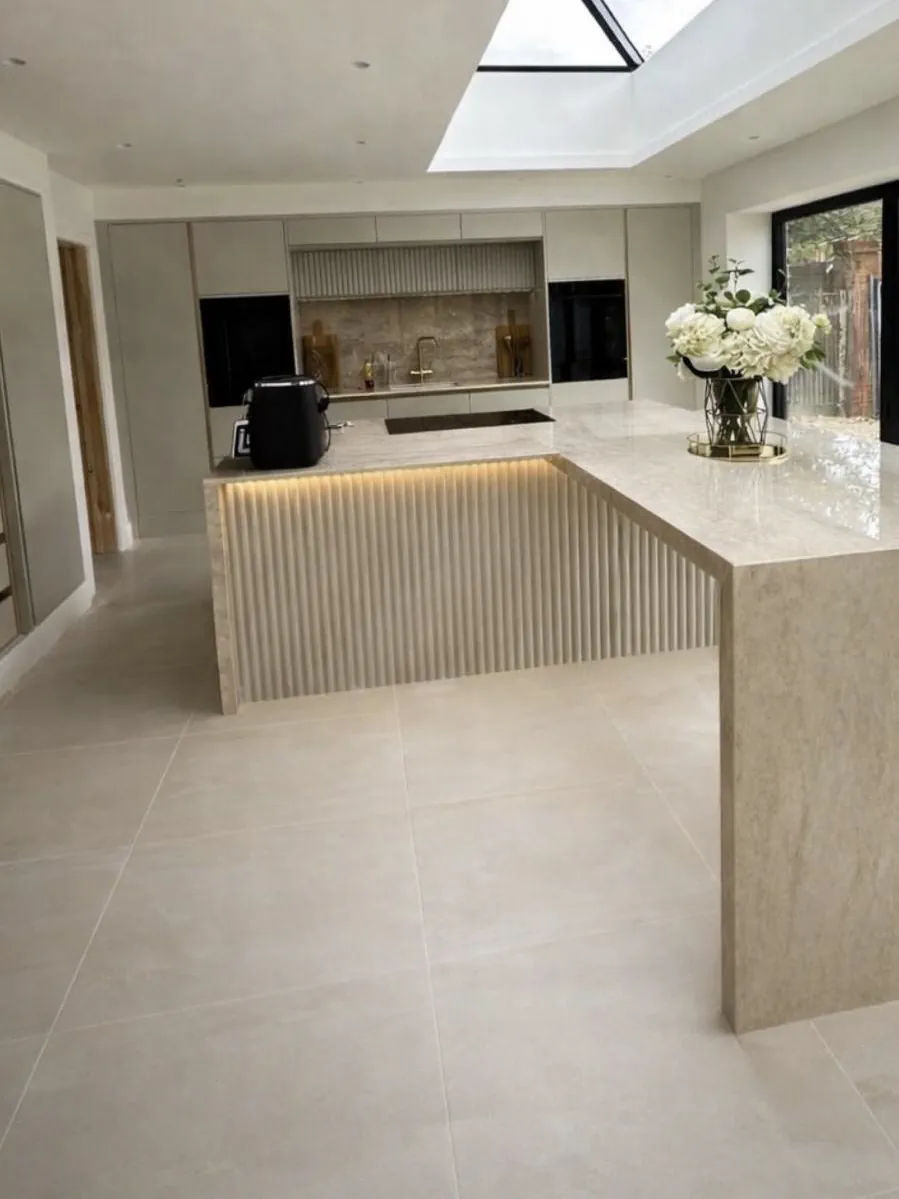
Cream porcelain at 600 x 600mm running continuously through the kitchen, entrance hall and front porch of a new build property in Hertfordshire, with anti-fracture membrane and epoxy grout throughout
One Continuous Floor Across Three Connected Zones
This floor is the fifth project Tile in Progress completed at this Hertfordshire property, alongside the cloakroom, en-suite, family bathroom and guest en-suite documented separately. As a new build, the subfloor preparation here was more straightforward than on many of the other projects in this portfolio. There was no failed concrete to repair, no deteriorated joists and no previous tile bed to remove. What a new build subfloor does require, particularly across a floor area of this size, is an anti-fracture membrane installed before tiling begins. New build concrete slabs continue to cure and settle for a period after construction and the membrane protects the tile bed from any residual movement as that process continues. It is the right specification for a new build floor and it was installed throughout before any tile went down.
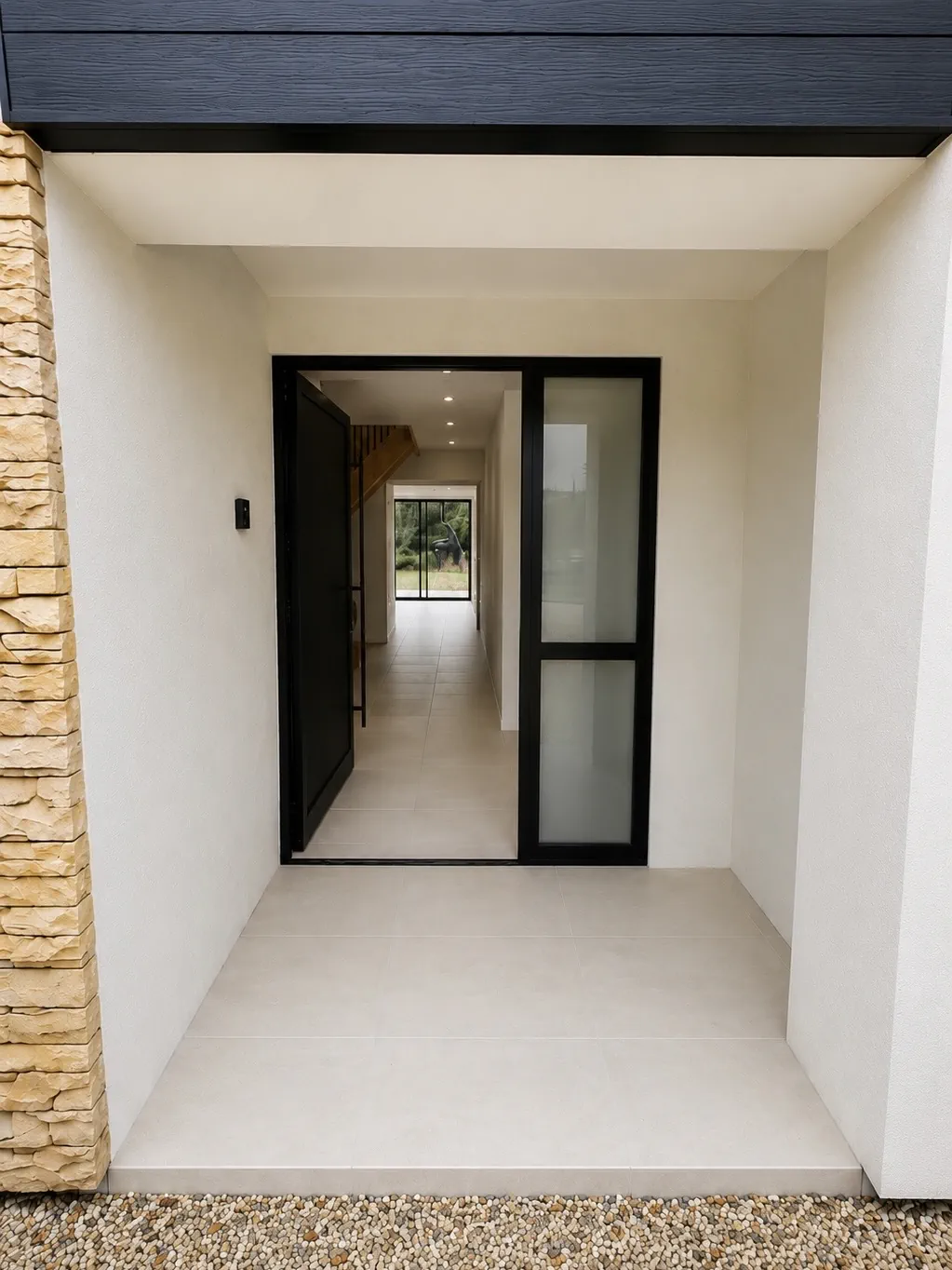
The tile is a cream porcelain at 600 x 600mm, chosen to complement the calm, neutral palette of the kitchen and the wider interior. The floor runs continuously from the kitchen through the entrance hall and out through the front porch, which means the setting out had to work across three connected zones and through two threshold transitions without any break in the tile grid. Getting a continuous floor to read correctly through multiple spaces requires resolving the setting out as a single plan across the whole area before the first tile is placed, so the joints align at every doorway and the tile never arrives at a threshold with an awkward cut.
Membrane First, Then Set Out as One Continuous Grid
The junction between inside and outside at the front porch is particularly visible and was given the same attention as the main kitchen floor. The floor was finished with epoxy grout throughout. For a kitchen floor in daily use, epoxy grout is the correct specification. It does not stain, it does not absorb moisture from cooking or cleaning, and it holds its colour and condition over time in a way that standard cement grout does not.
The cream porcelain and the epoxy grout together give this floor the kind of longevity that matches the quality of the new build around it. The project was completed in three weeks, completing the full scope of tiling work across this Hertfordshire property to the same standard in every room.
The fifth room at this Hertfordshire property. One floor, three spaces, and a finish that had to work from the front door all the way through to the garden.
Project gallery
Materials selected for this project
Everything delivered as part of the brief
-
Quality Materials
European-sourced tiles, premium adhesives, and cementitious waterproofing specified for long-term performance.
-
Expert Installation
Experienced craftspeople handling prep, set-out, installation, grouting, and the final finish standard.
-
Bespoke Design Detailing
Layouts, niches, trims, and grout rhythm coordinated so the finished room feels architectural rather than pieced together.
-
Five-Year Warranty
Workmanship, waterproofing, and finish protected by a written guarantee with clear aftercare guidance.
From survey to sign-off
-
Week 1
Survey & Specification
On-site survey, material presentation, and a fixed written quote.
-
Week 2
Quote Sign Off
Quote and tile direction agreed with the client.
-
Week 3
Prep
Anti-fracture membrane installed.
-
Week 4 & 5
Tiling & Grouting
Tiles laid to level, grout tone matched.
-
Week 5
Snagging & Handover
Deep clean, final snagging walk-through, and aftercare handover.
A considered transformation built to feel calm, durable, and beautifully resolved.
Envisioning a similar transformation?
Whether you are planning a listed-property renovation or a contemporary bathroom refit, our team can help shape the brief and the technical pathway.
Shop The Look
Discover the exact premium tiles and brassware used in this renovation, available to purchase through our archive.
Related Insights
Tile Drenching: The Biggest Bathroom Trend of 2026 and How to Do It Properly
Everything you need to know about tile drenching in 2026: which tiles work best, how to plan the…

The End of the Cluttered Bathroom: Why 2026 Is the Year of Concealed Everything
Discover why 2026 is the year of concealed everything in UK bathroom design. Tile drenching, spa bathrooms, and…